Exploring the Benefits of Lithium and Calcium Greases in Industrial Settings
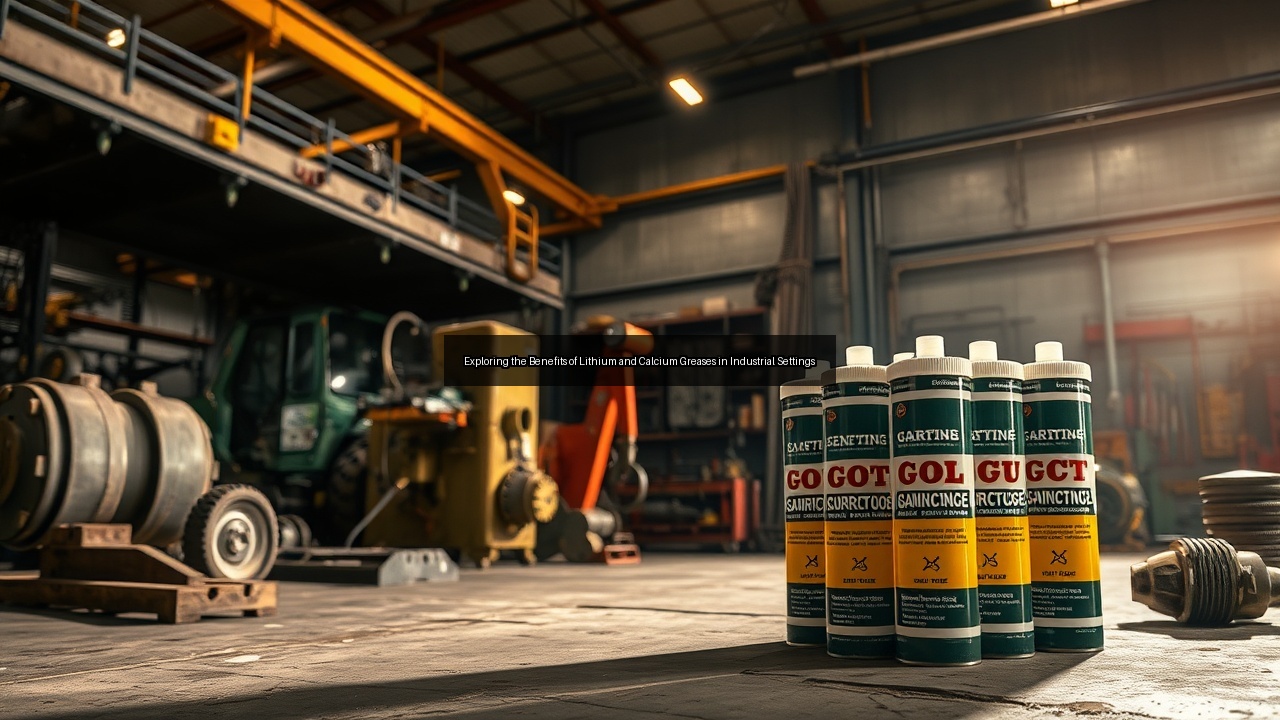
The Role of Lithium Greases in Industrial Applications
Properties and Advantages of Lithium Greases
Lithium greases stand out in the realm of heavy-duty industrial greases due to their unique properties that enhance performance in various applications. Primarily known for their high melting point and excellent water resistance, lithium-based lubricating greases excel in environments where moisture exposure can lead to corrosion and wear. Their ability to provide a stable consistency at elevated temperatures allows them to maintain effective lubrication, reducing friction between moving parts. This characteristic is particularly beneficial in heavy equipment, where engine components and bearings experience significant stress and heat. Moreover, lithium greases exhibit superior adhesion, ensuring they remain in place, even under high-pressure conditions. This reliability translates into extended equipment life and reduced maintenance costs, making them a preferred choice for industrial operations.
Common Uses of Lithium Greases in Heavy Equipment
Lithium greases find extensive application across various sectors, particularly in heavy equipment operations such as construction, mining, and transportation. In construction, for example, machinery like bulldozers and excavators rely heavily on lithium-based lubricants to ensure smooth operation of their hydraulic systems and wheel bearings. In mining, the demanding conditions necessitate a grease that can withstand extreme pressures and resist wear, making lithium greases indispensable for equipment like drills and conveyor systems. Furthermore, transportation vehicles, including trucks and trains, utilize lithium greases for axle and wheel lubrication, enhancing performance and safety. Their versatility allows lithium greases to be formulated for specific machinery, ensuring optimal performance and reliability in diverse industrial settings.
Comparative Analysis: Lithium vs. Other Grease Types
When comparing lithium greases to other grease types, such as calcium and silicone greases, several distinctive advantages emerge. Lithium-based lubricants often outperform calcium greases in terms of temperature tolerance, able to function effectively in higher temperature ranges without losing their lubricating properties. While calcium greases provide excellent water resistance, they may not offer the same level of mechanical stability as lithium greases under heavy loads. Silicone greases, on the other hand, excel in extreme temperature conditions, but their higher cost and specific applications limit their widespread use in heavy-duty environments. The choice between these grease types ultimately hinges on the specific requirements of the machinery involved, including temperature, pressure, and environmental factors.
Calcium Greases: A Versatile Solution for Heavy-Duty Needs
Benefits of Calcium Greases in Extreme Conditions
Calcium greases serve as a versatile solution in heavy-duty applications, particularly in extreme conditions where resilience is critical. These greases possess remarkable water resistance, making them ideal for use in environments with high humidity or direct water exposure. Their ability to withstand washout and prevent corrosion is vital for equipment operating in challenging outdoor conditions. Additionally, calcium greases demonstrate excellent performance in low-temperature applications, where they maintain their consistency and lubricating properties even in icy environments. This attribute makes them suitable for machinery used in cold regions, such as railroad systems and certain agricultural tools. Overall, calcium greases provide a reliable lubrication solution, ensuring functionality and longevity in demanding industrial settings.
Applications of Calcium Greases in Mining and Construction
The mining and construction industries benefit significantly from the use of calcium greases. In mining, equipment such as loaders and haul trucks requires lubricants that can handle the abrasive conditions of the environment. Calcium greases excel in this context, providing effective protection against wear and tear while ensuring smooth operation. Similarly, construction machinery, from cranes to concrete mixers, relies on calcium greases for their robustness and reliability. These greases help maintain the functionality of critical components like gears, bearings, and wire ropes, allowing for uninterrupted operations. The adaptability of calcium greases to various machinery and their suitability for diverse applications contribute to enhanced productivity in both mining and construction environments.
How Calcium Greases Perform Under High Temperature and Pressure
Calcium greases are known for their performance under high temperature and pressure, making them suitable for various heavy-duty applications. Their unique formulation allows them to maintain viscosity and stability even when subjected to extreme conditions. This characteristic is essential in industries where machinery operates under significant load and experiences friction that generates heat. Calcium greases effectively reduce friction and wear, prolonging the life of critical components like bearings and gears. In applications such as heavy machinery and industrial equipment, the ability to perform under these demanding conditions ensures reliable operation and reduces the likelihood of breakdowns. Thus, choosing calcium greases for such applications translates into enhanced efficiency and reduced maintenance costs.
Selecting the Right Grease Lubricant for Your Machinery
Understanding Different Grease Products and Their Applications
Selecting the right grease lubricant for machinery requires an understanding of the diverse grease products available and their specific applications. The market offers a plethora of grease types, including lithium, calcium, and silicone, each designed for particular conditions and machinery requirements. Lithium greases are ideal for high-temperature and stress environments, while calcium greases excel in wet conditions. Silicone greases provide excellent temperature resilience but may not suit heavy-duty applications due to their cost. Understanding these differences is crucial for making informed decisions, as using the correct grease lubricant enhances equipment performance and longevity. Additionally, considering the operational environment will help in selecting the most effective grease product for your machinery's needs.
Factors to Consider: Temperature, Pressure, and Load
When selecting a grease lubricant, several critical factors must be evaluated: temperature, pressure, and load. The operational temperature of the machinery dictates the viscosity and stability required from the grease. High temperatures may necessitate a grease that can withstand thermal breakdown, while low temperatures require products that maintain fluidity. Pressure and load are equally important; greases must provide adequate protection against wear and tear under heavy loads while ensuring smooth operation. Additionally, factors such as the presence of moisture and potential exposure to chemicals should influence the choice of lubricant. By assessing these factors, businesses can optimize grease selection, leading to improved equipment performance and reduced downtime.
Brand Recommendations for Industrial Grade Greases
Future Trends in Industrial Lubrication Technologies
Innovations in Grease Formulations: Silicone and Beyond
The future of industrial lubrication technologies lies in innovative grease formulations that cater to evolving operational needs. Silicone greases are gaining traction due to their superior thermal stability and compatibility with various materials. These greases offer excellent performance in extreme temperature environments, making them suitable for specialized applications. Additionally, advancements in synthetic grease formulations are emerging, designed to enhance performance while reducing environmental impact. These innovations promise to provide longer-lasting lubricants that meet the demands of modern machinery, ensuring optimal efficiency and reduced downtime. As industries continue to evolve, staying informed about these trends will be essential for selecting the best lubrication solutions.
The Role of Grease in Energy Efficiency and Sustainability
Grease plays a significant role in energy efficiency and sustainability within industrial operations. Effective lubrication reduces friction, leading to decreased energy consumption and improved machinery efficiency. As industries focus on sustainability, the demand for eco-friendly lubricants is increasing. Biodegradable greases, for example, offer a sustainable alternative that minimizes environmental impact while providing effective lubrication. Additionally, advancements in lubricant technologies aim to enhance energy efficiency while extending grease life, which reduces waste and lowers operational costs. Industries that prioritize these sustainable lubrication practices not only benefit economically but also contribute positively to environmental conservation.
Emerging Applications in Agriculture and Food & Beverage Industries
Emerging applications for industrial greases are becoming increasingly relevant in agriculture and the food and beverage industries. In agriculture, the demand for reliable lubrication solutions for machinery like tractors and harvesters is critical for enhancing productivity. Greases that can withstand harsh outdoor conditions while maintaining performance are essential for this sector. Similarly, the food and beverage industry requires lubricants that meet stringent hygiene and safety standards. Food-grade greases provide the necessary lubrication for equipment without compromising food safety. As these industries evolve, the development of specialized greases tailored to their unique challenges will continue to grow, ensuring machinery operates efficiently while adhering to safety regulations.