Maximizing Efficiency with Advanced Barrel Gauge Technologies
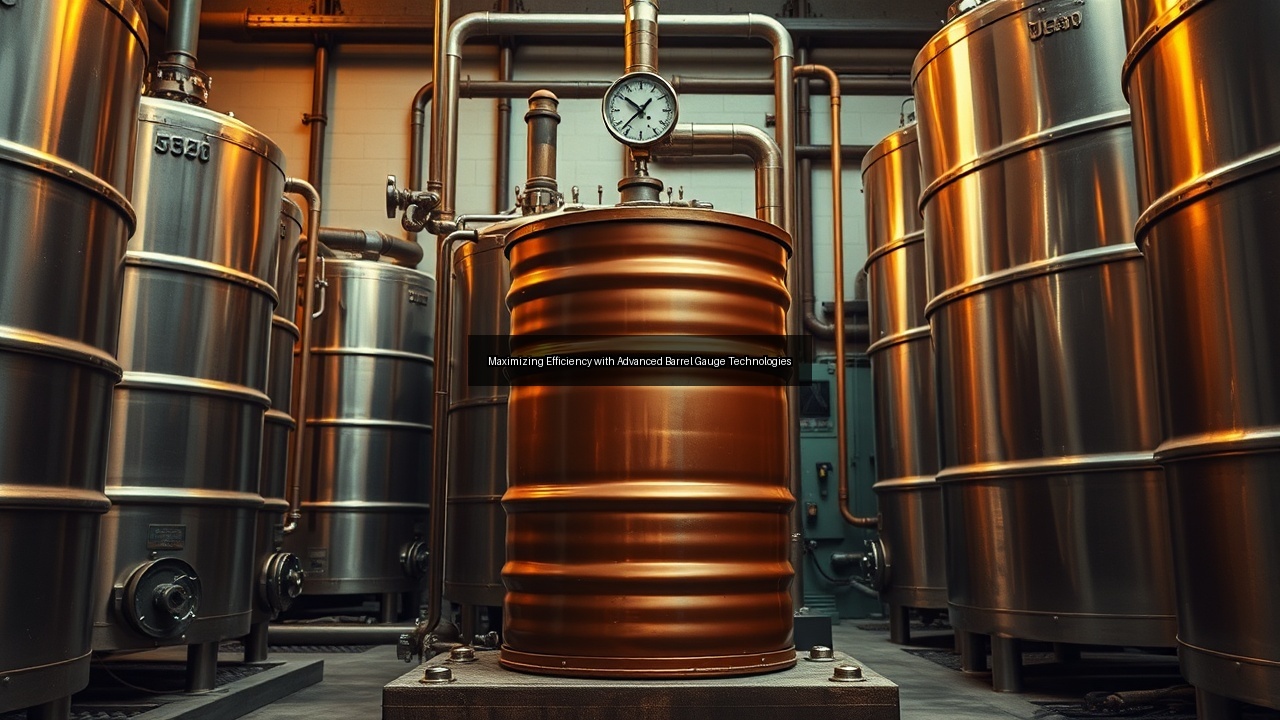
Understanding Barrel Gauge Technologies
What is a Barrel Gauge?
A barrel gauge measures liquid levels inside barrels and drums with precision. Operators insert the device into the container to determine volume quickly. This tool supports accurate inventory tracking and prevents overfills during transfers. Barrel gauge designs range from simple dipsticks to electronic sensors that display readings on digital interfaces. Users in manufacturing plants and distribution centers depend on these instruments daily. Proper calibration ensures every measurement reflects true capacity without error. Industries track barrel gauge performance through routine checks that maintain reliability across shifts.
Types of Barrel Gauges
Mechanical barrel gauge models feature float mechanisms or sight glasses that reveal levels through direct observation. Digital versions incorporate ultrasonic or radar technology for non-contact readings inside sealed tanks. Hybrid units combine both approaches to deliver data on mobile apps or control panels. Some gauges handle corrosive materials while others focus on standard petroleum products in 55 gallon drum setups. Selection depends on temperature ranges, pressure conditions, and required output formats. Manufacturers offer portable handheld options alongside fixed installations for continuous monitoring. Each type addresses specific operational demands in storage facilities across the United States.
The Role of Gauges in Liquid Measurement
Gauges provide the foundation for safe and efficient liquid management in barrels and tanks. They eliminate guesswork during filling operations and support compliance with volume regulations. Accurate measuring prevents costly spills and ensures product quality remains consistent. Facilities integrate gauges into broader inventory systems to automate reorder points. Regular use of barrel gauge equipment reduces downtime caused by unexpected shortages or overflows. Technicians verify readings against known standards to confirm device accuracy before critical tasks. This systematic approach to measurement strengthens overall process control in high-volume environments.
Applications of Barrel Gauges in Various Industries
Barrel Gauges in the Oil and Gas Industry
Oil and gas operations rely on barrel gauge tools to monitor crude and refined products stored in large tanks. Field crews use these instruments during transfers between transport vehicles and holding facilities. Precise readings help teams calculate reserves and plan extraction schedules effectively. In remote sites across the United States, portable barrel gauge units withstand harsh weather while delivering dependable data. Integration with flow meters allows operators to cross-check totals and detect discrepancies immediately. Companies reduce safety risks by confirming levels before opening valves or activating pumps. Advanced models track temperature fluctuations that affect volume calculations in real time.
Usage in Chemical Storage Tanks
Chemical plants install barrel gauge systems inside storage tanks to track hazardous and non-hazardous liquids. These devices alert personnel when levels approach maximum capacity or drop below safe thresholds. Corrosion-resistant materials protect gauges from aggressive substances that could damage standard equipment. Operators schedule maintenance based on gauge performance logs to avoid unexpected failures. Measuring accuracy supports precise batching processes that meet strict quality standards. Facilities document every reading to satisfy environmental reporting requirements. Reliable barrel gauge performance minimizes exposure incidents and improves overall handling procedures.
Measuring Capacity in 55 Gallon Drums
Workers measure contents in 55 gallon drum containers using specialized barrel gauge sticks or electronic probes. This practice supports accurate shipping weights and prevents overpacking violations. Warehouses rotate stock efficiently when they know exact volumes remaining in each drum. Gauge markings provide quick visual confirmation without requiring full disassembly or tilting. Digital barrel gauge attachments connect to inventory software for automated record keeping. Consistent measuring practices reduce waste from evaporation or leakage in long-term storage. Teams train staff on proper insertion techniques to maintain gauge integrity across multiple uses.
Advantages of Advanced Barrel Gauge Technologies
Increased Accuracy in Measurements
Advanced barrel gauge technologies deliver readings with minimal deviation from true volumes. Laser and sensor-based models eliminate parallax errors common in manual methods. Calibration routines adjust for density changes that occur with temperature variations. Facilities achieve tighter tolerances that support lean inventory goals. Data logs from these gauges allow analysts to identify trends and refine forecasting models. Reduced measurement uncertainty translates directly into lower operational costs. Operators trust the output enough to base critical decisions on single readings.
Real-Time Monitoring Capabilities
Real-time barrel gauge systems transmit level data to central dashboards without manual intervention. Supervisors respond immediately to sudden drops that indicate leaks or theft. Wireless connectivity enables remote access from mobile devices during off-site inspections. Continuous monitoring reveals usage patterns that optimize delivery schedules. Alarm functions trigger notifications when volumes exceed preset limits in tanks or drums. Integration with enterprise software creates a complete picture of material flow. Teams maintain higher uptime because problems surface before they escalate.
Reducing Waste and Improving Efficiency
Precise barrel gauge measurements cut product loss during transfers and storage. Facilities avoid over-ordering by tracking consumption rates accurately. Automated alerts prevent unnecessary topping off that leads to evaporation or degradation. Efficiency gains appear in reduced labor hours spent on manual checks. Waste reduction also lowers disposal expenses for expired or contaminated materials. Organizations report measurable improvements in throughput after upgrading legacy gauges. Sustainable practices gain support through better control of every barrel and tank.
Choosing the Right Barrel Gauge for Your Needs
Factors to Consider When Selecting a Gauge
Material compatibility ranks first when choosing a barrel gauge for specific liquids. Temperature range and pressure ratings determine whether a model survives operating conditions. Output options such as analog dials or digital interfaces must match existing control systems. Installation space constraints influence decisions between portable and fixed units. Budget considerations include long-term maintenance costs alongside initial purchase price. Certification requirements from regulatory bodies guide selection for hazardous environments. Testing samples in actual conditions confirms performance before full deployment.
Comparing Different Gauge Models
Side-by-side evaluations highlight differences in response time and durability among barrel gauge options. Ultrasonic models excel in clean environments while radar units handle vapor-heavy tanks better. Cost-per-use calculations reveal long-term value beyond sticker prices. User feedback from similar facilities provides practical insights into reliability. Feature comparisons focus on battery life, data export formats, and alarm customization. Field trials demonstrate how each model performs during peak operational periods. Final selections balance technical specifications with proven track records in the United States market.
Best Practices for Installation and Maintenance
Proper installation begins with verifying tank or drum dimensions match gauge specifications. Technicians secure mounts to prevent vibration damage during filling cycles. Calibration occurs at regular intervals using certified reference standards. Cleaning protocols remove residue that interferes with sensor accuracy. Documentation tracks every service event for warranty and compliance purposes. Training programs ensure operators recognize early signs of gauge malfunction. Scheduled replacements based on manufacturer guidelines maintain consistent measuring performance across the fleet.
Future Trends in Barrel Gauge Technologies

Innovations in Gauge Design
New barrel gauge designs incorporate lighter materials that simplify handling in tight spaces. Self-diagnostic features alert users to calibration drift before readings become unreliable. Modular components allow quick swaps of sensors without full unit replacement. Enhanced displays provide graphical trends alongside numerical values for faster interpretation. Miniaturization efforts produce compact models suitable for smaller 55 gallon drum applications. Energy harvesting from ambient sources extends operational life in remote locations. These advances expand the range of environments where precise measuring remains practical.
The Impact of IoT on Barrel Measurement
IoT connectivity transforms barrel gauge data into actionable intelligence across distributed sites. Cloud platforms aggregate readings from multiple tanks and drums for centralized oversight. Predictive analytics forecast maintenance needs based on usage patterns and environmental factors. Automated reporting reduces administrative burden while improving audit readiness. Secure protocols protect sensitive volume information from unauthorized access. Integration with supply chain systems triggers replenishment orders without human input. Facilities achieve higher visibility into material status throughout the storage network.
Sustainability and Environmental Considerations
Modern barrel gauge systems support environmental goals by minimizing spills and emissions. Accurate measuring reduces excess ordering that contributes to waste streams. Energy-efficient electronics lower the carbon footprint of monitoring operations. Recyclable components align with corporate sustainability targets in manufacturing sectors. Data-driven insights help optimize storage conditions that extend product shelf life. Regulatory compliance becomes easier when gauges provide verifiable records of containment integrity. Long-term adoption of these technologies advances responsible resource management across industries.